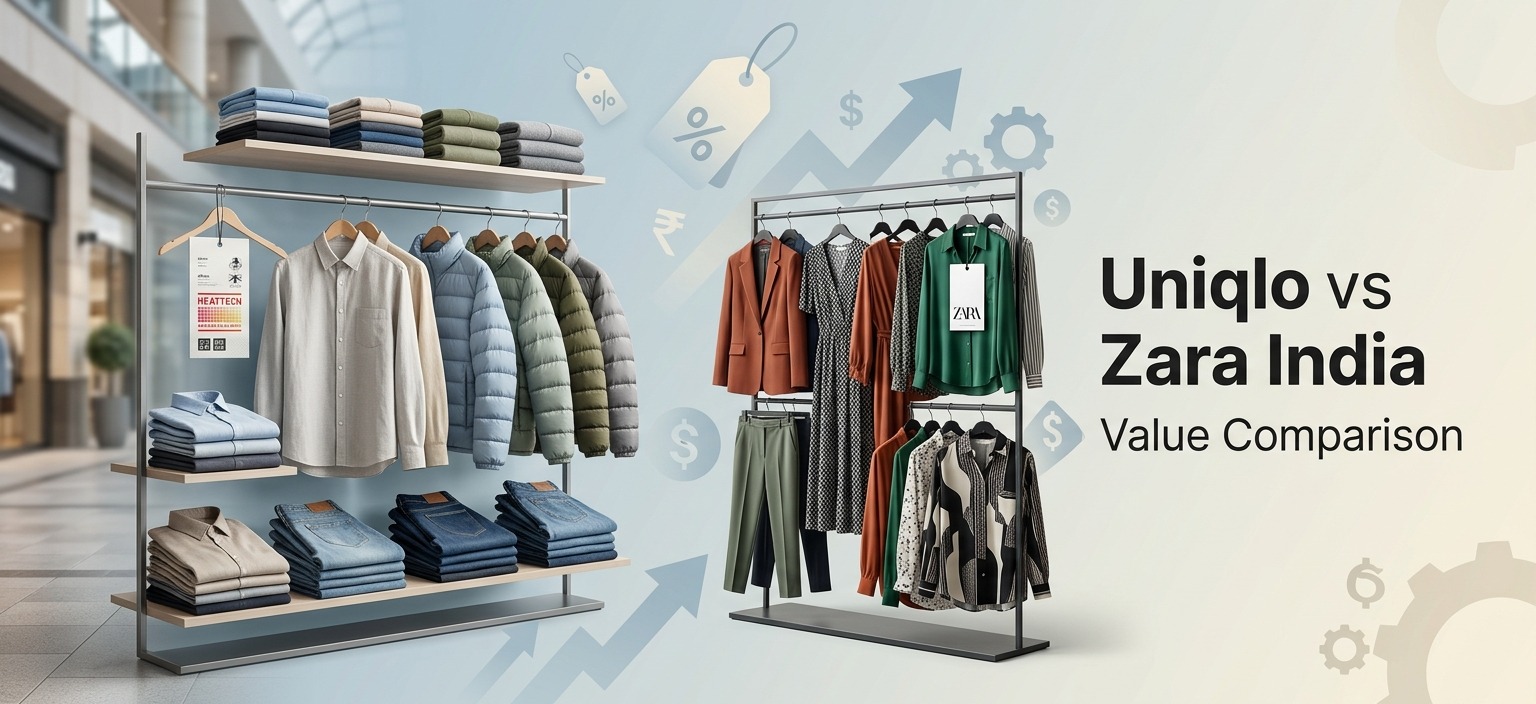
If you've ever stood in a Zara India store holding a ₹3,490 basic T-shirt and wondered whether you're paying for the garment or the logo — this guide is for you. By 2026, both Uniqlo and Zara have expanded aggressively across Indian metros, and the overlap in their customer base has never been greater. But these two brands have fundamentally different answers to what fashion should cost and why.
Uniqlo bets on functional fabrics and wardrobe staples you'll wear for years. Zara bets on being first-to-trend at a price that feels accessible but is rarely cheap. Understanding that difference — with real rupee comparisons across every category — is what separates smart shoppers from impulse buyers in 2026.
Get Uniqlo Coupons on Zoutons →The clearest way to understand the Uniqlo vs Zara value gap in India is to put their prices side by side across the same categories. These are current 2026 India prices from official stores, verified before publication.
| Category | Uniqlo India | Zara India | Value Winner |
|---|---|---|---|
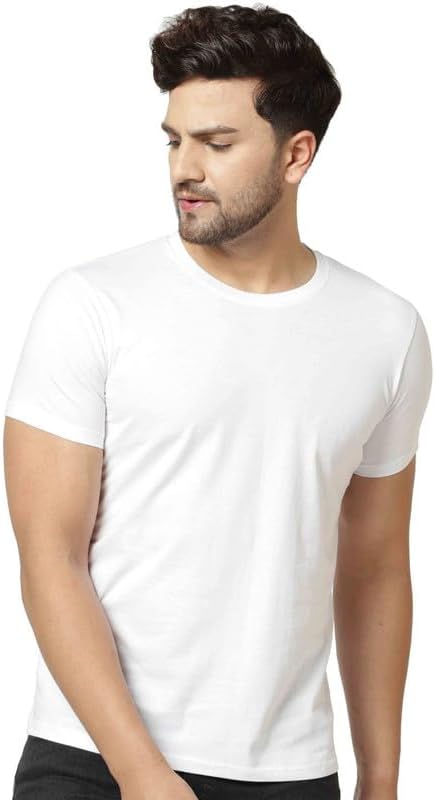
| Basic T-Shirt (Cotton) | ₹799 – ₹999 | ₹1,990 – ₹2,990 | ✔ Uniqlo |
| Jeans / Denim | ₹2,490 – ₹2,990 | ₹3,490 – ₹5,990 | ✔ Uniqlo |
| Casual Dress (Women) | ₹1,990 – ₹3,490 | ₹2,990 – ₹6,490 | ✔ Uniqlo |
| Blazer / Formal Jacket | ₹2,490 – ₹3,990 | ₹5,990 – ₹9,990 | ✔ Uniqlo |
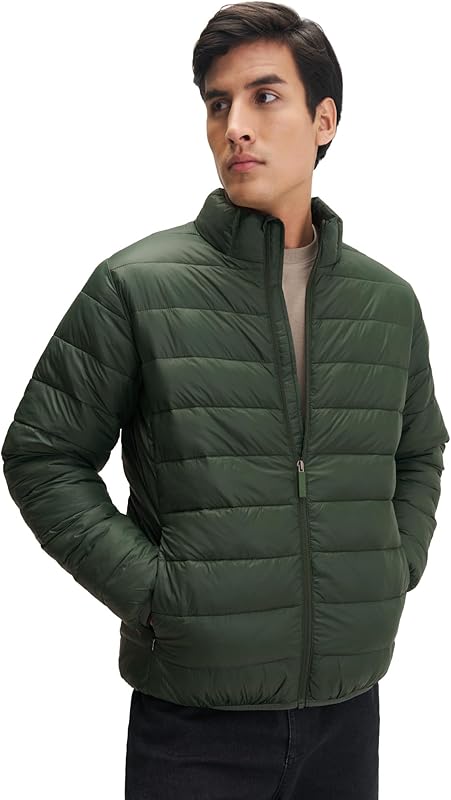
| Light Outerwear / Jacket | ₹1,990 – ₹5,990 | ₹3,990 – ₹9,990 | ✔ Uniqlo |
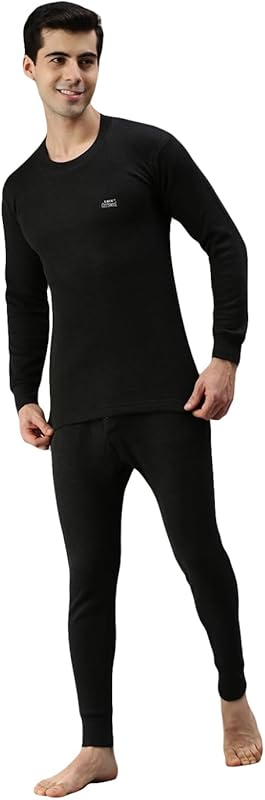
| Winter Innerwear (Thermal) | ₹799 – ₹1,490 | Not available | ✔ Uniqlo only |
| Occasion / Statement Pieces | ₹1,990 – ₹3,990 | ₹1,990 – ₹5,490 | Tie (Zara: more variety) |
| Accessories (Bags, Belts) | Limited range | ₹1,990 – ₹8,990 | Zara (better range) |
Uniqlo wins on price in 6 out of 8 core clothing categories. The gap is most dramatic in basics and outerwear — where Uniqlo can be 40–60% cheaper for equivalent quality. Zara only pulls ahead in accessories and seasonal trend-wear where variety and newness matter more than price.
These six Uniqlo India products deliver the best rupee-per-wear ratio in their respective categories, and each one directly outcompetes the closest Zara equivalent on price, durability, or function.
Despite losing most value comparisons to Uniqlo, Zara India earns its premium in specific situations. Knowing when to shop at Zara — and when to walk next door to Uniqlo — is the key to building a smarter wardrobe in 2026.
Trend-forward occasion wear: If you're buying something specifically to wear a handful of times this season — a bold floral midi dress or an asymmetric blazer for a wedding or corporate event — Zara's ₹3,990–₹6,490 range offers more on-trend cuts and silhouettes than Uniqlo's more classic repertoire. For short-cycle fashion, Zara's price premium can be justified.
Men's formal and smart-casual shirts: Zara's structured collar shirts and tailored trousers for men hold their own against Uniqlo's equivalent range, with better fit options for leaner frames. Prices are higher (₹2,490–₹4,990 vs Uniqlo's ₹1,490–₹2,490) but the construction quality in Zara's non-basic lines is genuinely comparable.
Women's accessories and bags: This is Zara's strongest exclusive category in India. Their leather-look bags, structured totes, and statement belts at ₹1,990–₹5,490 have no direct Uniqlo competition. If you're building an outfit around an accessory, Zara is the right destination.
🎟️ Pro tip: Check Zoutons for Zara India coupons before buying — Zara India runs end-of-season sales of 40–60% off that significantly narrow the price gap with Uniqlo's everyday prices.
Price is only half the value equation. The other half is how long a garment lasts — and here, the two brands diverge significantly.
Uniqlo's proprietary fabric advantage: Uniqlo invests in functional textiles that genuinely differentiate their clothing from commodity fashion. AIRism uses a micro-polyester weave that wicks moisture and prevents odour. Heattech blends rayon, polyester, and acrylic to generate warmth from body moisture. Ultra Light Down uses 90% down fill power in a packable ripstop nylon shell. These technologies are the result of multi-year R&D partnerships with Japanese textile mills — not rebranded commodity fabrics.
Zara's construction quality reality: At comparable price points, Zara uses standard polyester, cotton-poly blends, and viscose. Construction quality varies by collection. Their basics (t-shirts, plain shirts) tend to pill and lose shape after 15–20 washes. Their premium collections — Zara Studio and Zara Origins — are meaningfully better, but start at ₹3,990+. For everyday wear under ₹2,990, Uniqlo's build quality is consistently superior in wash tests.
Real-world durability: Indian fashion communities consistently report that Uniqlo basics outlast Zara basics at approximately a 2:1 ratio. A ₹999 Uniqlo AIRism T-shirt typically survives 60–80+ washes without significant shape loss, while a comparable Zara basic shows visible wear at 30–40 washes. This makes Uniqlo's effective cost-per-wear significantly lower, even before accounting for the original price difference.
Uniqlo wins decisively on everyday basics and functional wear. Zara competes only in premium collections (₹3,990+) and occasion wear where longevity matters less than trend relevance. For a wardrobe built to last, allocate your core budget to Uniqlo basics and selectively supplement with Zara for statement pieces.
Store footprint in India: As of mid-2026, Zara India leads on physical store count with 25+ stores across 12 cities, including tier-2 markets like Chandigarh, Kochi, and Ahmedabad. Uniqlo India has approximately 12 stores, concentrated primarily in Delhi NCR, Mumbai, and Bengaluru. If physical store access matters to your shopping, Zara has wider reach today — though both brands operate fully-stocked online stores with pan-India delivery.
Online shopping experience: Both brands have improved their India e-commerce significantly. Uniqlo India ships in 2–4 business days with reliable size stock across most categories. Zara India's online store updates twice weekly with new arrivals, but popular sizes sell out quickly. Neither brand ships through Amazon India or major Indian marketplaces — both require direct site purchases for authentic product.
Sizing inclusivity — Uniqlo's clear advantage: Uniqlo India stocks XS–3XL across most categories, including functional lines like AIRism and Heattech. Zara India's regular collection tops out at XXL for most items, with limited plus-size options compared to their European markets. For shoppers above size L, Uniqlo is the more practical and well-stocked choice in India.
Return policies: Uniqlo India allows 30-day returns for unworn items with original tags. Zara India offers 30-day returns with slightly stricter conditions on sale merchandise. Both brands handle standard returns without shipping charges.
Based on prices, quality, availability, and value across Indian stores in 2026, here is exactly how each brand performs by shopping scenario:
| Shopping Scenario | Winner | Reason |
|---|---|---|
| Building everyday basics (t-shirts, jeans, innerwear) | Uniqlo | 40–60% cheaper with better durability and functional fabrics |
| Winter / functional layering | Uniqlo | Heattech and Ultra Light Down are unmatched — Zara has no equivalent |
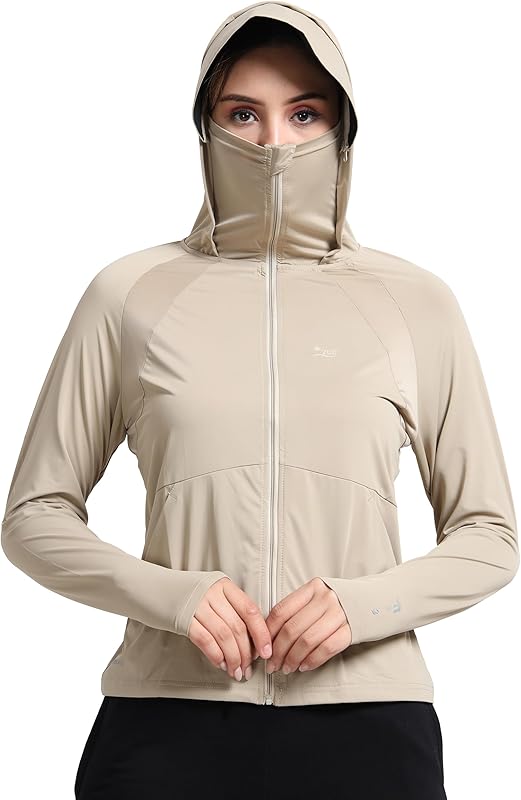
| Hot weather / Indian summer daily wear | Uniqlo | AIRism and UV-cut fabrics are engineered for heat — Zara offers no equivalent |
| Smart casual and work attire on a budget | Uniqlo | Cleaner cuts, lower prices, better shape retention after washing |
| Plus-size shopping (above L) | Uniqlo | Stocks up to 3XL across most lines; Zara India is limited above L |
| Trend-forward occasion and event wear | Zara | More current silhouettes and prints; better for short wear-cycle pieces |
| Women's accessories, bags, belts | Zara | Uniqlo's accessory range is very limited; Zara dominates this category |
| Fast-fashion trend cycling (new styles weekly) | Zara | Zara's twice-weekly new drops and trend sensitivity are unmatched by Uniqlo |
Ready to shop smarter? Find verified Uniqlo India coupons, cashback offers, and sale alerts on Zoutons — updated every week.
View All Uniqlo India Coupons →



 Swiggy
 Oyorooms
 Rapido
 Myntra
 PharmEasy
 Tata Cliq
 Mamaearth
 Makemytrip